 EN
EN
 AR
AR CS
CS NL
NL FR
FR DE
DE EL
EL HI
HI IT
IT KO
KO PL
PL PT
PT RU
RU ES
ES ID
ID LT
LT SK
SK SL
SL UK
UK VI
VI HU
HU TH
TH TR
TR MS
MS ZU
ZU XH
XH BN
BN EO
EO ML
ML TE
TE JA
JA RO
RO MY
MY IW
IW HR
HR SR
SR FI
FI DA
DA SV
SV TG
TG NE
NE LB
LB KM
KMWhat is an Inline Duct Fan?
An inline duct fan is a type of fan installed inside ventilation duct systems to improve air circulation. Its primary functions are to help regulate temperature and humidity, as well as remove indoor pollutants and odors, resulting in fresher air. It is ideal for spaces that require efficient ventilation, such as ceilings, attics, bathrooms, kitchens, and grow rooms.

Types of Inline Duct Fan
Based on their structure and functionality, best inline duct fans can be divided into three types: axial, centrifugal, and mixed flow.
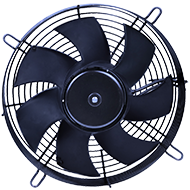
Air flows along the axis, similar to how a propeller pushes air. An Axial Inline Duct Fan features high airflow and low pressure, making it ideal for short duct systems with low resistance. It is commonly used in residential ventilation, kitchen exhaust, and grow rooms. An Axial Inline Duct Fan is also a popular type of HVAC duct booster fan, enhancing warm or cool airflow through ducts.
2. Centrifugal Inline Duct Fan
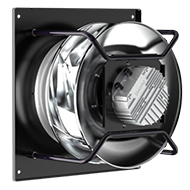
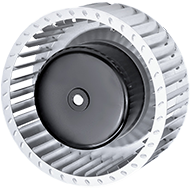
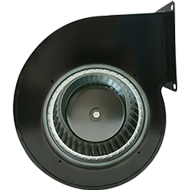
Air is drawn into the center and expelled through the impeller, changing the direction of airflow. The centrifugal inline duct fan offers high pressure and low noise, making it suitable for longer ducts or those with bends. It is commonly used in commercial buildings, laboratories, and long bathroom ducts. The centrifugal fan is especially effective as an inline bathroom fan, improving ventilation and preventing moisture and odor buildup.

3. Mixed Flow Inline Duct Fan
The mixed flow inline duct fan combines the characteristics of axial and centrifugal fans. It offers both high airflow and medium pressure, with lower noise and higher efficiency. The mixed flow fan works great in places where you need strong performance but don’t have much space — like grow rooms or office ceilings.
| Type | Airflow | Pressure | Noise | Typical Applications |
| Axial | High | Low | Medium | Kitchens, grow rooms, homes |
| Centrifugal | Medium | High | Low | Labs, commercial ventilation |
| Mixed Flow | High | Medium | Low | Apartments, ceilings, IT rooms |
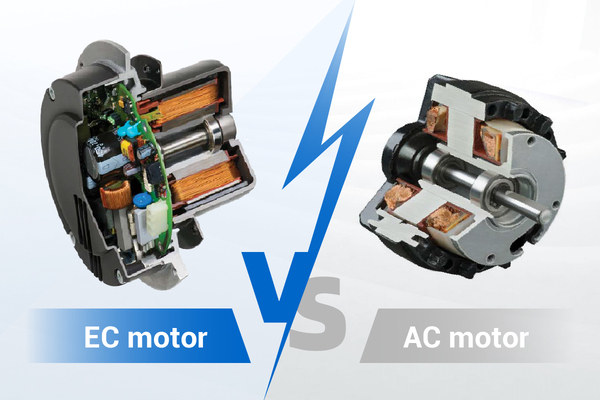
In addition to structure, inline duct fans can also be categorized by motor type: AC and EC. Most fans on the market are AC inline fan, but the market share of EC inline fan and DC inline fan is gradually increasing.
Inline Duct Fan Buy Guide
Choosing the right fan depends on your specific needs. A suitable duct fan not only ensures effective ventilation but also reduces energy consumption, extends lifespan, and lowers maintenance costs. Key factors to consider include:
1. Noise Level
Check the fan’s noise rating. For residential or office use, opt for a low-noise quiet inline duct fan.
2. Airflow
Calculate the required airflow. Formula:
Airflow (m³/h) = Room volume × Air changes per hour (ACH)
Measure the length, width, and height of the room to get the volume. Then choose a proper ACH based on the room type (e.g., kitchen: 15 ACH,
Bathroom: 10 ACH, bedroom: 4–6 ACH). Multiply the volume by ACH to get the required airflow.
3. Fan Material
Choose materials based on the environment. Plastic inline duct fans are lightweight and corrosion-resistant, while metal fans are better suited for harsh industrial conditions.
4. Fan Size
Check the fan's duct diameter and installation dimensions to ensure compatibility with your existing ductwork.
5. Control Method
Most fan for duct systems are fixed-speed, ideal for places with stable ventilation needs like kitchens, bathrooms, or small offices. If you need adjustable airflow, energy savings, or lower noise, choose a fan with a variable speed control feature.
6. Cost
Beyond upfront cost, long-term power consumption defines the true expense of a fan. Don't just compare prices—consider power and energy efficiency. A efficiency fan can significantly lower running costs over time.

7. Brand
Choose a reputable fan company with reliable after-sales service. Trusted brands offer better product quality and more support for maintenance.
FAQ – Inline Duct Fan
Here are some frequently asked questions about buying an inline duct fan. If you have any other questions or concerns, please feel free to contact us. Our team is always ready to assist you.
1. What kind of maintenance does the fan require?
2. What size inline duct fan do I need for my space?
3. How do I calculate the required airflow (CFM or m³/h) for my room?
4. Is it easy to install an inline duct fan?
5. What kind of maintenance is required to keep the fan working efficiently?
6. What is the expected lifespan of the motor?
7. Does the fan include mounting brackets or accessories?
8. Is the inline duct fan suitable for continuous 24/7 operation?
9. How noisy is the fan during operation?
10. Does this fan come with a built-in speed controller?
11. What duct size is this inline fan compatible with?
12. Can the fan be mounted vertically as well as horizontally?
13. Is this fan energy efficient or certified for energy savings?

We are committed to use the latest technologies providing advanced fan to meet the demands and challenges of the market.