 EN
EN
 AR
AR CS
CS NL
NL FR
FR DE
DE EL
EL HI
HI IT
IT KO
KO PL
PL PT
PT RU
RU ES
ES ID
ID LT
LT SK
SK SL
SL UK
UK VI
VI HU
HU TH
TH TR
TR MS
MS ZU
ZU XH
XH BN
BN EO
EO ML
ML TE
TE JA
JA RO
RO MY
MY IW
IW HR
HR SR
SR FI
FI DA
DA SV
SV TG
TG NE
NE LB
LB KM
KMPut Simply, EC (electronically commutated) technology is the only choice if your main goal is to reduce energy consumption and extend the life of electric fan motors in cooling or ventilation equipment.
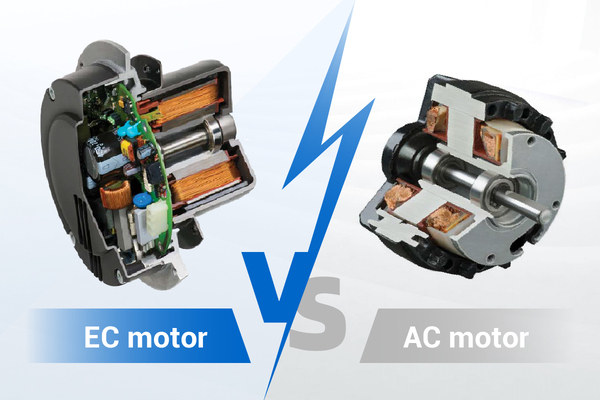
EC motor vs. Conventional motor
Conventional Motor
Electric current is conducted through metal brushes inside the motor, which rotates the shaft. When the motor windings are energized, a temporary
magnetic field is created that repels (and/or attracts) permanent magnets. This force translates into rotation of the shaft, which drives the motor to do its job.
As the shaft rotates, current is conducted to different sets of windings, maintaining the electromagnetic repulsion/attraction action and forcing the rotor to continue to rotate. However, these metal brushes wear out over time and generate internal heat, which reduces the efficiency of the motor.
EC Motor
An EC motor (electronically commuated motor) is a brushless DC motor that relies on a built-in electronic controller for commutation.
It eliminates the need for traditional brushes and mechanical commutators, which increases efficiency, reduces noise and minimizes maintenance requirements.
Through precise electronic speed control technology, EC motors can adapt to different loads and working conditions.
They are widely used in home appliances, air conditioners, fans, pumps and industrial automation equipment, helping to realize energy saving and efficient operation.

Motor Efficiency
Motor efficiency essentially refers to the “gap” between the input power consumed by the motor and the power output from the motor shaft.
Conventional brushed motors have an efficiency of about 15%, which means that 85% of the power input to the motor is used to drive the motor itself, and only 20% is used for the output of the motor shaft.
In contrast, EC motors sense the rotor position via an electronic commutation device and switch the supply current electronically, eliminating the need for mechanical brushes to conduct current to the motor windings. This electronic elimination of physical contact dramatically reduces wear and tear inside the motor and significantly improves reliability.
Advantages of EC motor technology
High Efficiency:The efficiency of EC motors is over 70%, much higher than the 15% of conventional brushed motors. More input power is converted into rotational force, reducing heat loss.
Less wear and longer life:There are no wear problems because there is no constant contact between the metal brushes and the shaft.
Lower internal temperature rise, dramatically reducing energy consumption:
● EC motors have a permanent magnet synchronous design, where permanent magnet material is used on the rotor, eliminating the need for excitation windings or current. As a result, there are no additional losses in the rotor (such as excitation losses or slip losses), which greatly improves efficiency and reduces heat generation.
● EC motors use an electronic commutator instead of the mechanical commutator of conventional motors, which avoids friction and arcing losses between the brushes and commutator and reduces heat generation.
● EC motors achieve precise speed control through built-in electronic actuators, enabling them to operate at the point of optimum efficiency. The efficient energy conversion reduces copper losses (heat losses due to current in the windings) and iron losses (losses due to flux variations)
● Electronic controllers within EC motors are often able to monitor operating conditions in real time and optimize current waveforms to avoid excessive current or overload conditions, thus reducing heat build-up. In addition, better heat dissipation paths are often used in the design of the motor structure.
● By adopting advanced core materials and designs (e.g., low-loss silicon steel sheets), EC motors can effectively reduce eddy current losses and hysteresis losses even under high-frequency operation, further reducing heat generation.
● Lower noise: Compared with traditional brushed motors, EC motors avoid the electrical and electromagnetic noise caused by mechanical commutation.
● Smooth efficiency curve: less variation in efficiency over the speed range.
● Unaffected by voltage fluctuations: Not as sensitive to voltage fluctuations as AC motors.
● Precise speed control: fan speeds can be programmed precisely according to application requirements.
● Multi-purpose: By electronically controlling the speed, a single motor model can be used in many different application scenarios.
● Flexible speed management: some models support the management of motor speed for specific applications via 0-10V/PWM or 4-20mA signal inputs.
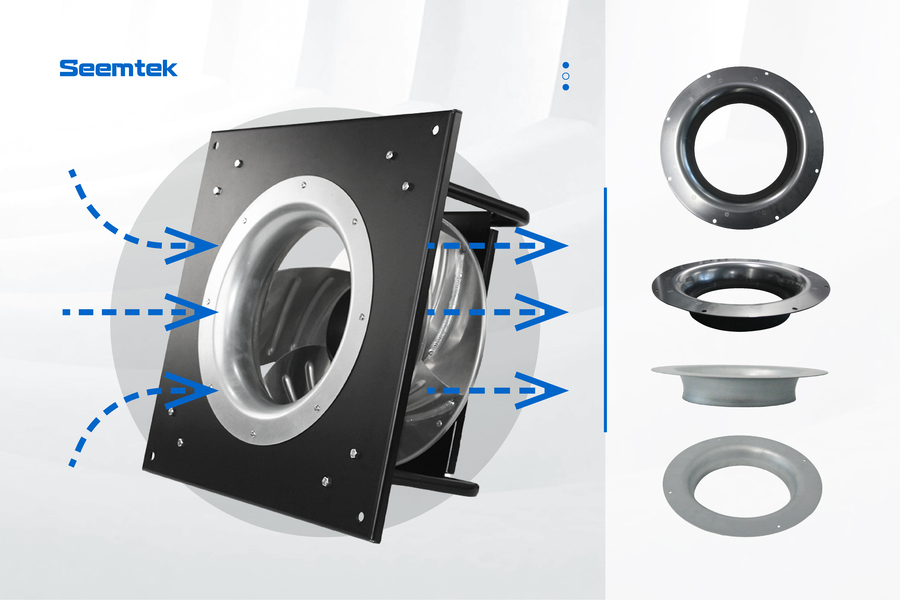
Seemtek’s Achelous & Romulus Series: An Excellent Example of EC Motor Technology
After learning about the many benefits of EC motor technology, you may be looking for products that put these advances into practice.
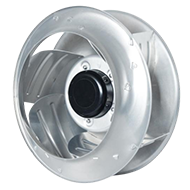
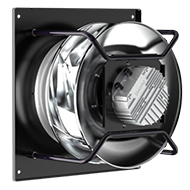
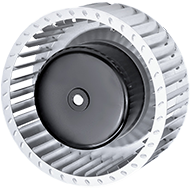
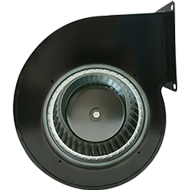
Our Achelous & Romulus Series ec centrifugal fan is based on EC technology and is designed to provide you with an efficient, reliable and energy-saving solution.
Product Features
● High Efficiency: Advanced EC motors with over 70% efficiency, significantly reducing energy consumption.
● Long life: Brushless design reduces wear and prolongs product life.
● Low Noise: Optimized motor structure for quiet operation and improved user experience.
● Precise control: Support 0-10V/PWM or 4-20mA signal input to realize precise speed control and meet diversified application requirements.
Application areas
● Refrigeration equipment: improve system efficiency and reduce operating costs.
● Ventilation system: Provide stable air flow and improve environmental comfort.
● Industrial applications: to meet the needs of various industrial equipment for high-performance motors.
By choosing Achelous&Romulus series ec fan, you will experience the excellent performance and reliability brought by EC motor technology, providing the best solution for your equipment upgrade.
Tags: EC Motor Fan, EC Fan Manufacturer, EC Centrifugal Fan, Fan for HVAC, EC Fan Supplier
This article was written by Shelly Tan from Seemtek
Bio: Specializing in providing efficient EC fan solutions for HVAC systems, filter systems, integrated data centers (IDC), and the new energy sector, committed to driving the industry towards more energy-efficient and sustainable solutions. Click to follow on LinkedIn

We are committed to use the latest technologies providing advanced fan to meet the demands and challenges of the market.